Kestle Interiors doesn’t supply major appliances, but they are central to how your kitchen and laundry spaces function—making them an essential consideration when planning a renovation. This is especially true given the current trade climate. With new tariffs adding unexpected costs to U.S. brands, smart sourcing has become a design priority.
The Current Market in Southern Ontario
The United States and Mexico are Canada’s dominant suppliers of full-sized refrigerators, slide-in ranges, and freestanding cooking ranges. On talking with a couple of major appliance suppliers in Southern Ontario, we are told that prices are currently unchanged and, in some cases, suppliers are even offering added incentive packages.
Having said that, retailers and suppliers are also warning that once current inventory is replaced, price increases on U.S.-made appliances could jump 30% to 50%.
Understanding Canada’s New Counter-Tariffs
Canada’s recent implementation of retaliatory 25% counter-tariffs targets specific U.S. imports—specifically refrigerators, washing machines, and cooking ranges.
However, there is some good news for home renovators:
- Exempt Appliances: Fully assembled dishwashers are exempt.
- Exempt Countries: Major household appliances manufactured in and imported from countries other than the U.S. (such as South Korea, China, or Europe) are completely exempt from these new surtaxes.
It’s About Where It’s Made, Not Who Owns It
Premium manufacturers like Whirlpool Corporation (Maytag, KitchenAid, JennAir, and Amana), Wolf, Sub-Zero, and Viking are manufactured in the USA and are at the center of this ongoing trade dispute.
When shopping, it is critical to know that tariffs apply strictly to the physical country of origin stamped on the appliance’s serial plate, not where the corporate headquarters are:
- The Mexico Exception: If a Whirlpool appliance is assembled in Mexico, it clears the Canadian border duty-free under CUSMA rules.
- The European Exception: Although Thermador is owned by the German BSH Group (which also owns Bosch), many of its premium ranges and wall ovens are built in North Carolina. This means those specific U.S.-origin units will face the tariff, while their German-made counterparts will not.
Tariff-Free Brand Alternatives to Consider
If you are looking to safeguard your renovation budget, look toward kitchen appliances manufactured and imported into Canada from outside the U.S. Excellent alternatives include:
- Germany: Bosch, Miele, Gaggenau, and Liebherr
- Sweden: Electrolux
- South Korea: LG and Samsung
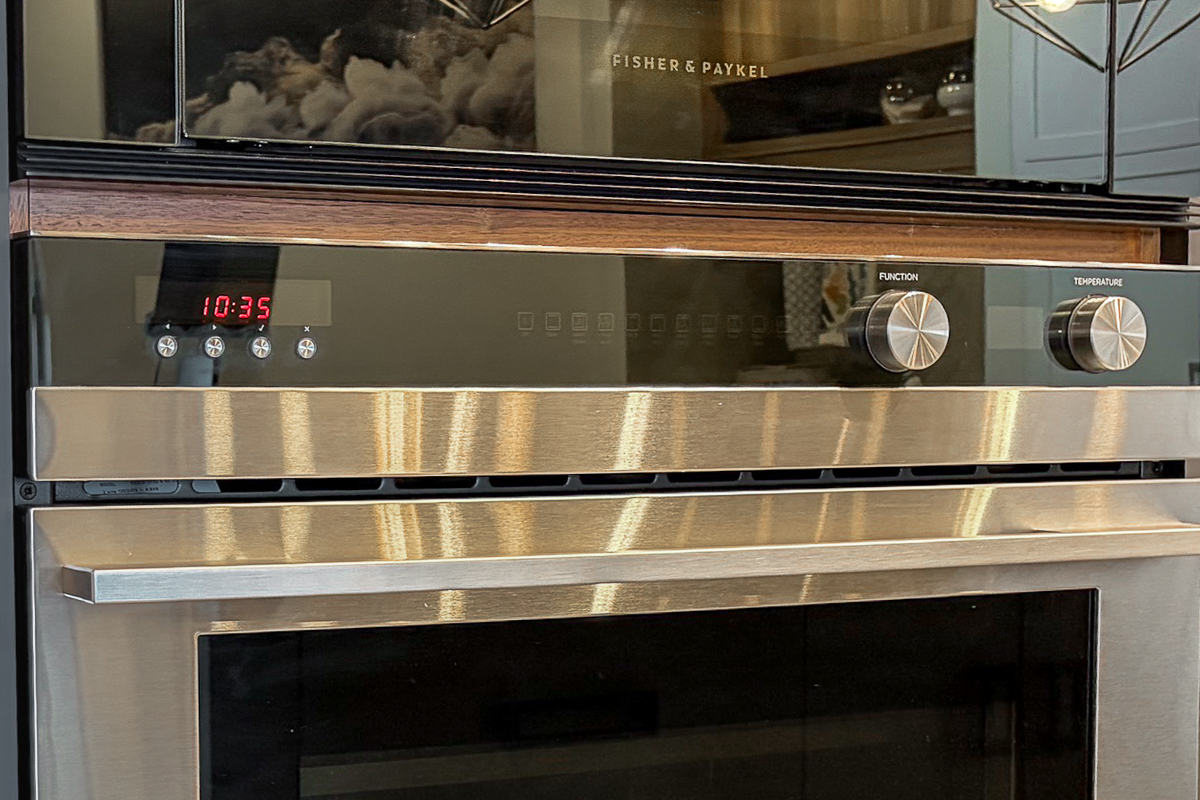
- New Zealand: Fisher & Paykel
- Japan: Sharp and Panasonic
Our Recommendation
We highly recommend consulting with your appliance supplier early in the design process. Ask the right questions and verify exactly which brands are available tariff-free, ensuring your project stays on budget without the threat of sudden price increases.